
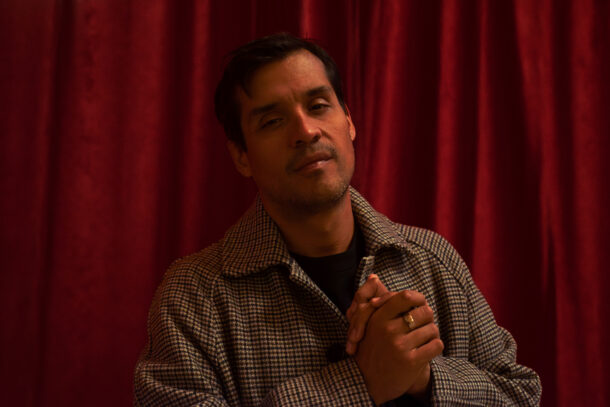
Interview: El David Aguilar on his genre-bending “anti-album” “Vigente,” collaborating with Julieta Venegas, and his upcoming US tour
Mexican singer-songwriter El David Aguilar has spent his career mastering the delicate art of turning deeply personal reflections into universal, wildly accessible anthems. With a sound that bridges the gap between traditional Latin American folk, indie rock, and sweeping vintage pop influences, it is no surprise the Berklee-recognized artist has racked up an astounding 15 Latin GRAMMY® nominations. Now, he is back with his latest full-length project, “Vigente,” a 15-track masterclass in versatility that Aguilar himself proudly dubs an “anti-album.”
Released earlier this month, “Vigente” throws out the traditional rulebook of a strict narrative arc. Instead, it leans heavily into sonic contrast, channeling the limitless beauty of burned CDs. The result is an eclectic journey rooted in Aguilar’s signature blend of familiar melodies and lyricism. The record’s lead single, “Lo Que Por Ti Yo Siento,” is a powerful standout. The track is a haunting norteño-meets-indie-rock ballad featuring the iconic Julieta Venegas that explores the complex, enduring nature of love through the lens of a heavy farewell.
But Venegas is not the only guest on this sprawling record. “Vigente” boasts a fascinating, diverse lineup of collaborators that includes Mexican rock legend Jay de la Cueva, French artist Voyou, and, in a deeply touching tribute to his roots, Aguilar’s own parents. It is a project that captures a seasoned artist hitting a new stride of creative freedom, reflecting both grounded maturity and boundless curiosity.
Ahead of his highly anticipated USA tour kicking off this October in Denver, we caught up with El David Aguilar to dive into the making of “Vigente,” the magic of his star-studded studio sessions, and how letting go of the traditional album concept gave him his most authentic record yet. Read the full interview below!
That’s a great question. I think the way I know that such different songs belong on the same project, even when they contrast with one another, has to do with how the different rhythms balance each other out. More than the subject matter, key and tempo are important to me. Those two elements allow me to play with how I group the songs because they give me a framework based on contrast.
For example, if I have a slow song in a major key, maybe the next one can be fast and in a minor key. I play with those differences. What interests me is that when you hit skip on the album, your reaction is, “WTF? What is this?”
There’s also a bit of nostalgia for the era of burned CDs in that idea, when you could put songs from completely different projects and styles together and they would all end up grouped on the same CD.
So yes, I really like the concept of the “anti-album,” which, as the question puts it so well, rejects the rigid constraints of what an album is supposed to be and instead looks for freedom in the way the songs are brought together. But contrast is always the guiding principle.
The lead single, “Lo Que Por Ti Yo Siento,” explores love that persists even through a farewell. What was the creative process behind capturing such a complex emotion, and how did you decide on the song’s blend of norteño traditions and indie rock elements?
It’s a song that has been on a very long journey and carries a long history with it. It came out of a funeral and my need to have a song for saying goodbye to someone. I was asked to sing at that moment, and I realized that I didn’t have anything to sing. As a songwriter, you fantasize about having songs for every moment in life.
So the song was written from that feeling of farewell, but with the understanding that a farewell can take many different forms. It can be a romantic goodbye, saying goodbye to someone at a particular moment in life, or even saying goodbye to someone who has passed away. That’s why I feel this song comes from a journey that goes back a long way.
When Julieta Venegas joined the song, I had the idea of giving it a more norteño sound. I’ve always flirted with norteño music, but I hadn’t originally imagined “Lo Que Por Ti Yo Siento” that way. Once Julieta became part of it, I created that ranchera-inspired intro with accordion so that, in a way, the music itself would say, “Hey, Julieta Venegas is on this song.” It became a way of announcing her presence through the music itself.
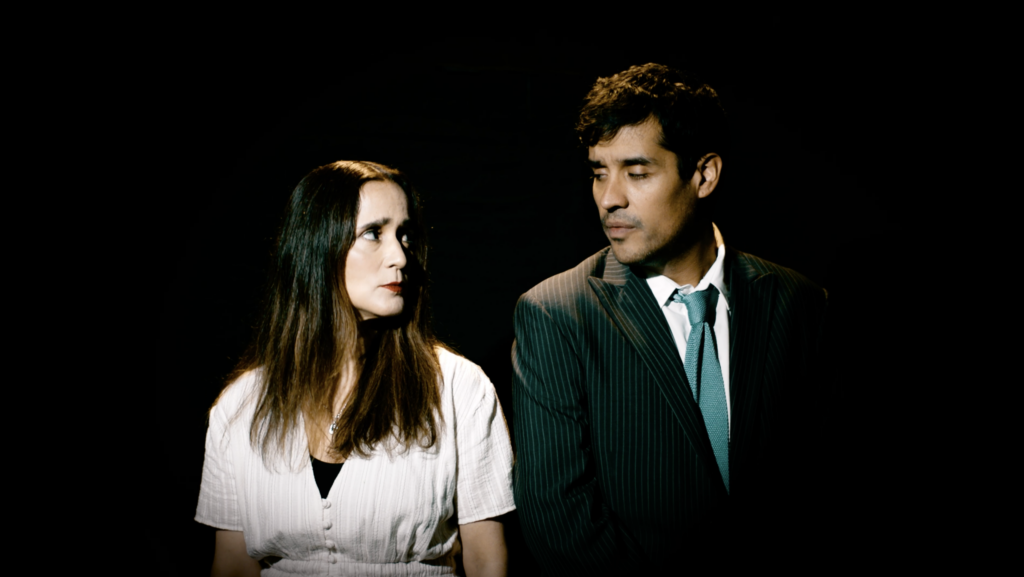
All the music videos for this album were shot on the same set to evoke strong feelings. What was the experience like creating that specific emotional atmosphere on set alongside Julieta Venegas?
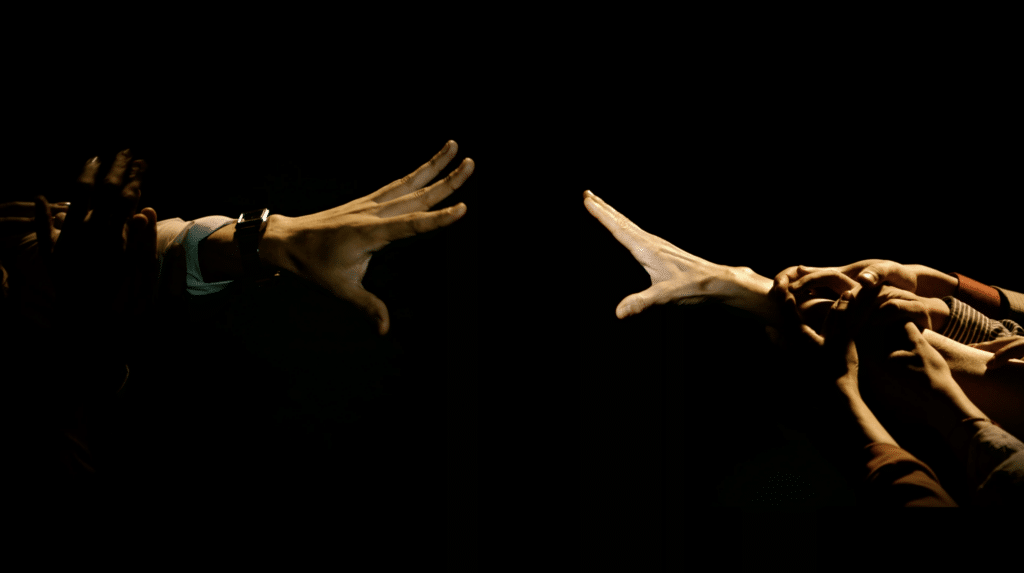
It was a really beautiful and interesting experience. The artists Andrea Grain and Carol Luna directed the entire project. I told them, “Listen to the album and come up with a proposal that visually unifies everything,” and that’s exactly what they did. They came back to us with a concept built around a single set.
I was interested in creating visuals that wouldn’t become the main focus, but would instead allow you to listen to the song without being distracted. That’s how we approached the entire visual concept.
Julieta came to shoot the video with me, and it was genuinely beautiful. Jay de la Cueva came as well, so I had the opportunity to have them there, filming them and collaborating together to create these images that also bring an emotional dimension to the songs.
You’ve mentioned that much of your musical foundation comes from your parents. What did it mean to you emotionally and artistically to share a microphone with them on this album?
It has been a celebration of the fact that they’re the ones who taught me how to sing. Inviting them to sing with me feels like a way of formally celebrating that within my artistic career.
But it was also something I simply wanted to give myself—the chance to say, “I just want my parents singing here with me because I love them, because I want to sing with them, and because I want to share that with people.”
I think it worked perfectly because it’s an old-fashioned norteño song, almost as if it could have come from the 19th century, but it carries that norteño identity that is such a fundamental part of us, being from Sinaloa. I knew they would really like it and that they would understand the kind of singing I was asking of them.
Being in the studio was a different experience because I had to guide them a little. They aren’t used to recording in a studio, so that part was somewhat challenging, but it also ended up being a really beautiful experience for them.
From icons like Jay de la Cueva and Mauricio Díaz “El Hueso” to French artist Voyou, “Vigente” features an eclectic lineup. How did each collaborator shape the sound and variety of the record?
They ended up enriching the album tremendously and making it even more versatile because, if you think about it, none of them really have much to do with one another.
In Mexico, we have an expression, “chile, mole y pozole,” which basically means that there’s a little bit of everything. I think that’s what happened with this album: each of them comes from a completely different musical world, and that ended up bringing even more diversity to the record. It’s been really beautiful to see it come together that way.
A hallmark of your work is crafting accessible, popular melodies that still land on deeply personal and intimate lyrics. How do you navigate that fine line during the songwriting process?
It’s something I think about intentionally. I tell myself, “Okay, I’m going to try to offer something that people can easily embrace, but I’m not going to stop exploring my own depths and labyrinths.” So I like taking risks and putting my faith in the songs.
I try to create melodies that feel recognizable, but also distinctive. I don’t like it when a melody sounds too much like something I’ve already heard countless times. I like for it to have a kind of face that feels familiar, while at the same time leaving you unsure of exactly where it comes from.
I like creating that sense of mystery. When I’m able to achieve that, I feel like I’ve succeeded as a songwriter.
Looking at the finished piece now, how does “Vigente” reflect who you are today?
I feel that Vigente reflects a certain maturity I’ve reached in my forties. There are social concerns that I try to express through my songs, but there are also deeply intimate subjects and even ideas like universal love. In some ways, I feel more experienced now and more grounded than I did before. Vigente captures me at this particular moment in my life, and I think that’s what it represents.
Get to know more about El David Aguilar on Instagram, Facebook, and YouTube.