
The Fragile Line Between Heartbreak and Resilience in “Better Bad Than Bitter” by Emmanuelle June
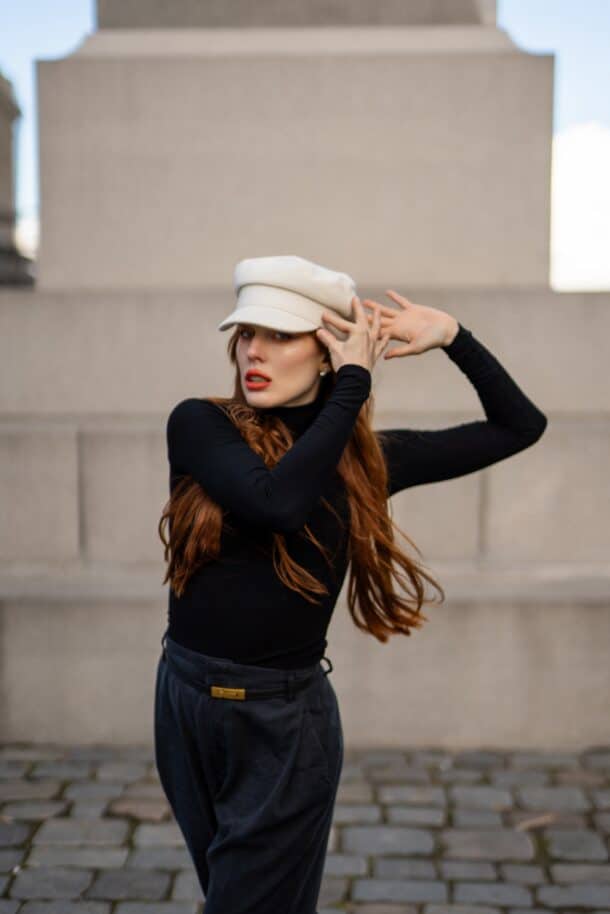
Emmanuelle June moves back and forth across a vast room, her face painted like a mime’s, and a crystal tear revealing her sadness. The scene is dramatic yet beautiful, and the shots, which alternate between wide angles and close-ups of her face, draw viewers into what the artist seeks to express in the music video for her new single, “Better Bad Than Bitter.”
Over time, with Mike Hillier handling the mastering at Metropolis Studios in London and support from Swedish duo The AfterHours, the song finally came to life.
“Better Bad Than Bitter” was inspired by that moment in a relationship when the veil of enchantment falls away and a significant other reveals their true self, leaving the other person confused, sad, and without answers.
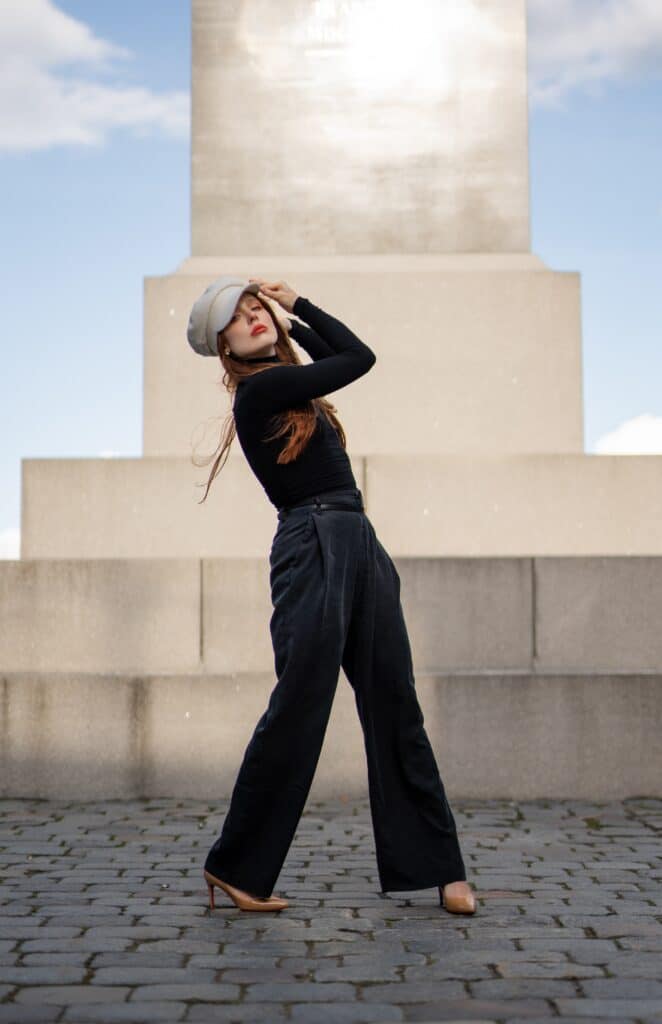
The video captures this idea with precision, showing open spaces where the protagonist is seen moving back and forth, her eyes filled with sadness. The visual draws heavily on the work of Fassbinder, Salvador Dalí, and James Bond, as well as the art of clowning, all of which contribute to its dramatic atmosphere, fantasy, and sense of the possibility of getting back up again. June edited the video and co-directed it with Michael Schempp, a member of The AfterHours, who also filmed her.
Raised primarily in Stockholm, June trained as an actress and took part in off-Broadway productions before moving to Los Angeles. There, musical gatherings with friends and poems that gradually became lyrics opened up another space for her to tell stories. She played in post-punk and psychedelic rock bands before focusing on her solo project.
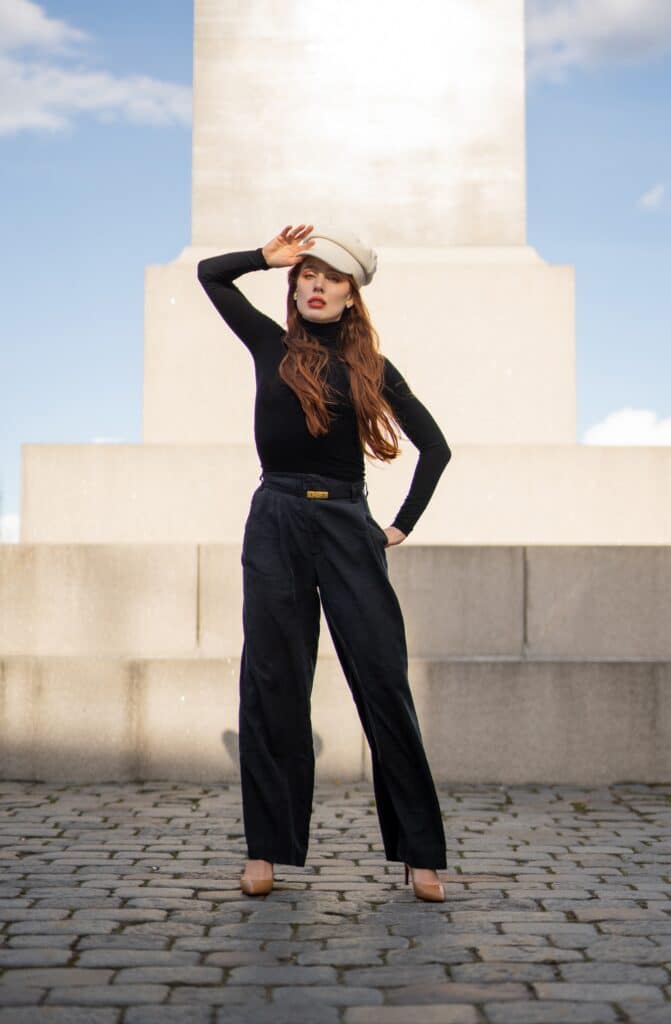
Her journey includes performances at SXSW and venues such as The Hotel Café and Moroccan Lounge, the latter alongside her former band, Whisper. She has also built an award-winning career as a filmmaker and published writing under various pseudonyms, experiences that help explain why her songs unfold through characters, imagery, and small stories.
“Better Bad Than Bitter” conceals the complexity of a devastating moment within the simplicity of a solitary dance, a painted and hidden face, and a resignation that does not come so easily. It is a universal feeling that becomes a collective mirror in which everyone can see their own reflection.
Connect with Emmanuelle June: Website | Instagram | YouTube | Spotify